The 39 Steps
1935, directed by Alfred Hitchcock
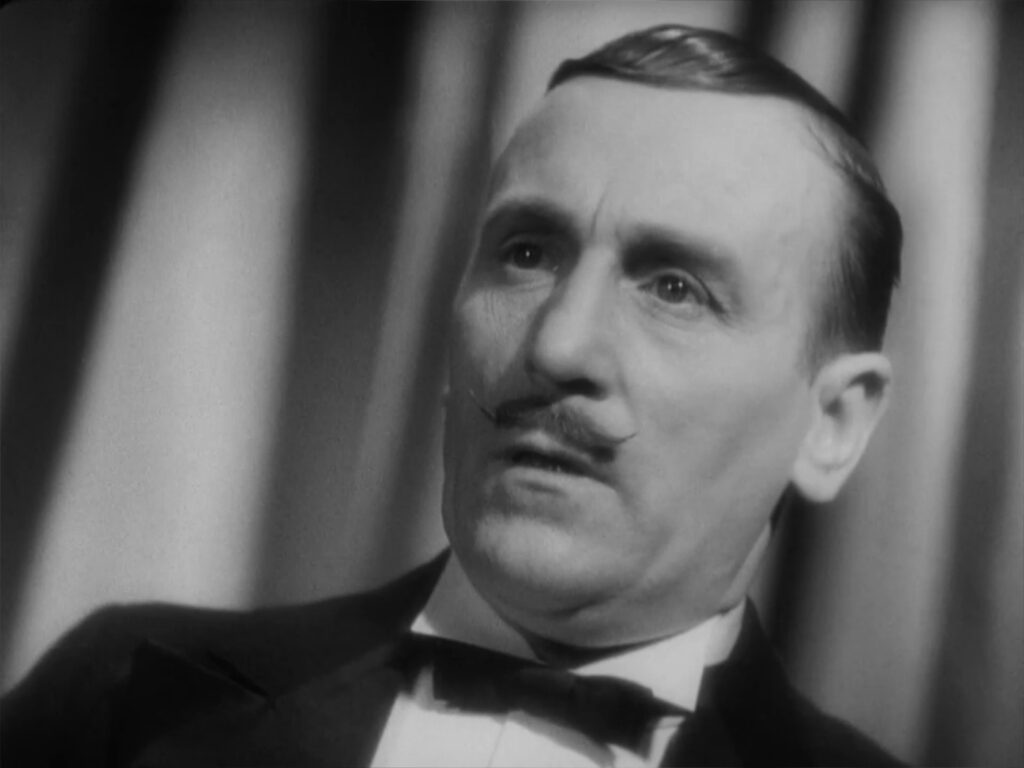
The 39 Steps climaxes in a single shot, a close-up of Mr. Memory at a frozen moment when the outcome could go either way. The off-kilter shot’s bold simplicity underscores the man’s shock when Richard Hannay shouts the deadly question: “What are the 39 Steps?”
The graphic style of the climactic close-up is like the sensationalistic advertisements of the era, a bit like the title screen where the numbers and letters of “The 39 Steps” leap out diagonally with dramatic shadow effects. Shadowy stripes behind Mr. Memory highlight the tilted angle, his face atop a bow tie and a white shirt in a black tuxedo. In short, the man looks like an exclamation point slashed across the screen.
For Mr. Memory the moment is suspended in time. He knows his life is in danger if he answers, yet everything in him, his whole nature and identity, is poised to let the secret out. His ability to answer any question has been his longstanding pride, as we witness in the opening when he rattles off answers to arcane questions in the working class music hall. By now, at the climax, he has graduated to the famous Palladium where London’s high society goes for entertainment. Here, of all places, he faces maximum pressure to meet his audience’s expectations.
That Mr. Memory elects to reveal the secret of the 39 Steps is a tribute to the idealized British everyman who places his role in society above his own wishes. Caught between likely death if he answers Hannay’s question, or the certain prospect of betraying his talents if he doesn’t, his default is to follow his vocation. Is he guided by conscience, or by the proper instincts of a regular working man? In the prevailing British morality there’s little difference. He’s already fallen into the service of traitors and foreign agents, but at the key moment Hitchcock is interested in the man’s natural impulse, which redeems him from aiding treason, much like the nun in The Lady Vanishes. In the end Mr. Memory pays homage to the truth because telling the truth has been his lifelong trade. When he faces Hannay’s question, he cannot not speak the truth.
Mr. Memory is missing from the John Buchan novel Hitchcock adapted for the movie. A man in the book memorizes classified information to convey to Britain’s enemies, but he’s not a stage performer, and there are no music halls or anything like the Palladium. In fact the film reshapes the plot so completely that only the general concept, Richard Hannay’s name, and a few miscellaneous details survive the adaptation.
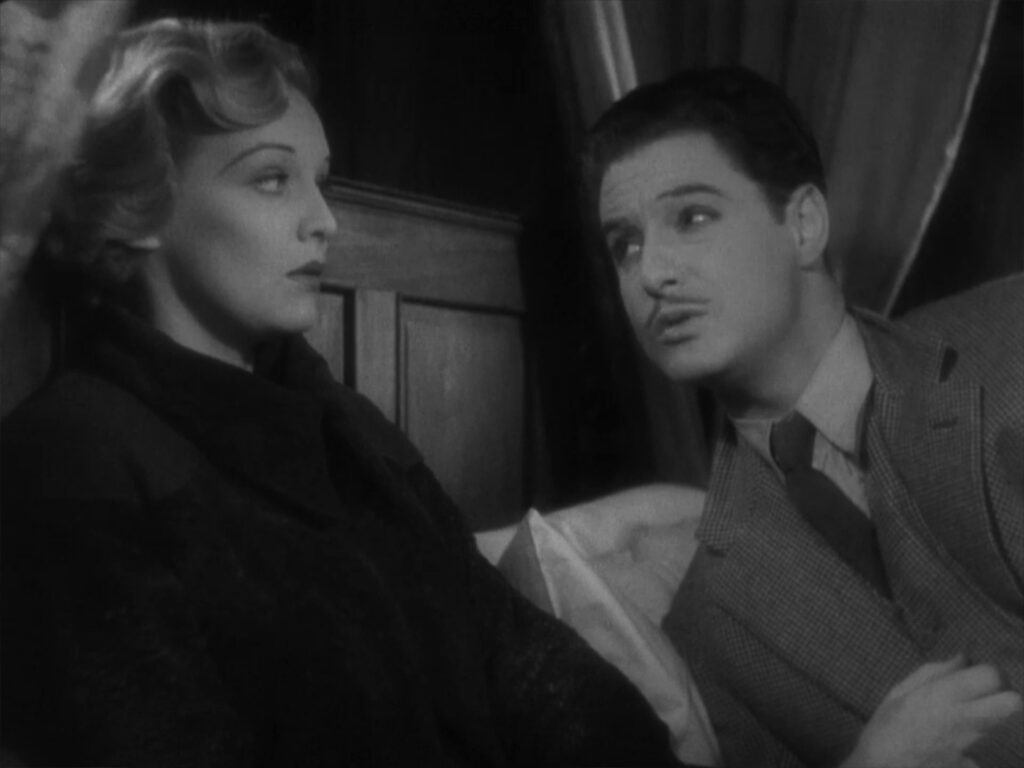
Besides Mr. Memory, a couple other changes to the novel shine insight into the movie. For one thing there are hardly any women in the book, only a few wives and maids in minor roles. Hitchcock added two major parts for women and several supporting roles. Secondly, the time is changed from the beginning of World War One to the present, the mid-1930s. Both of these alterations put the film in a more immediate context, making it relevant to a contemporary British audience.
The 39 Steps is the second in a string of five international intrigues that Hitchcock directed before he left for Hollywood in 1939. While these films typically show enemy agents undermining Britain from the European continent, it’s notable that they appear before most people in the United Kingdom worried about Hitler attacking them. All of these films, and The 39 Steps especially, can be read as warning the British to be on their guard. Of course Hitchcock’s forecast proved correct when the German Air Force began a massive attack on the U.K. in 1940.
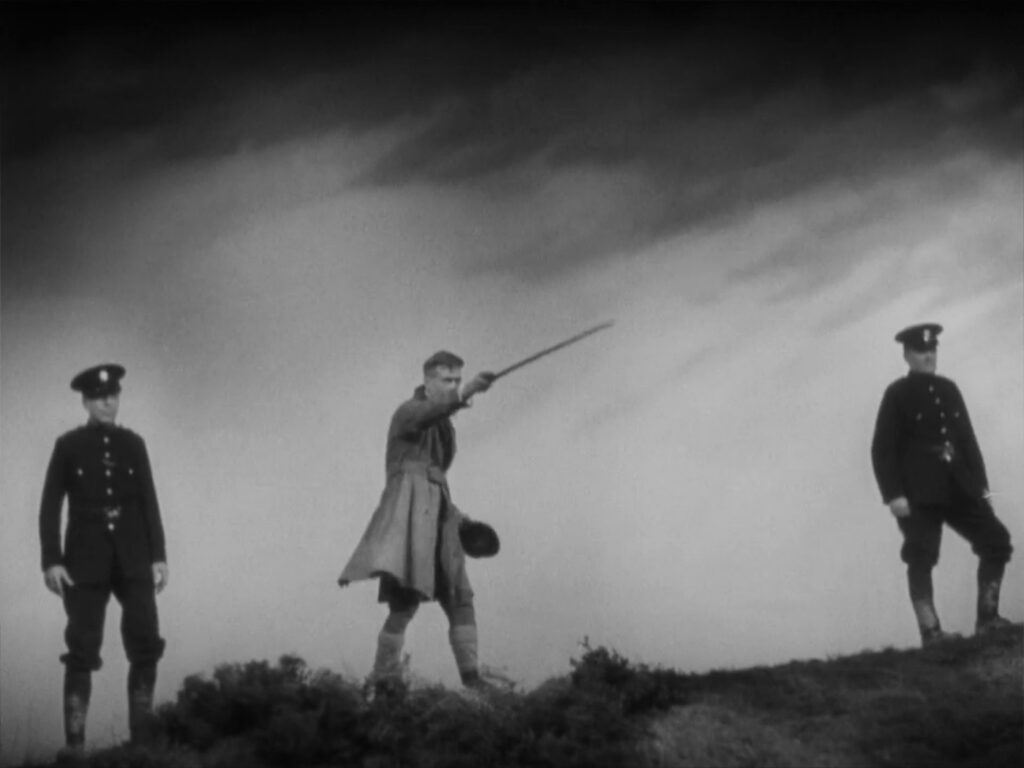
By diversifying the novel’s cast of characters, The 39 Steps addresses the whole nation, speaking to its various walks of life simultaneously. Leading characters include a foreigner (Annabella “Smith”), a colonial (Hannay, a Canadian), a middle-class English woman (Pamela), an upper-class professor probably educated at Oxford or Cambridge (Professor Jordan), a lower-class Scottish farmer (the crofter), a lower-class city woman (the crofter’s wife), and a working-class urban theater performer (Mr. Memory). The deliberate appeal to a wide spectrum of geography, class, and gender reflects the urgency of the film’s message.
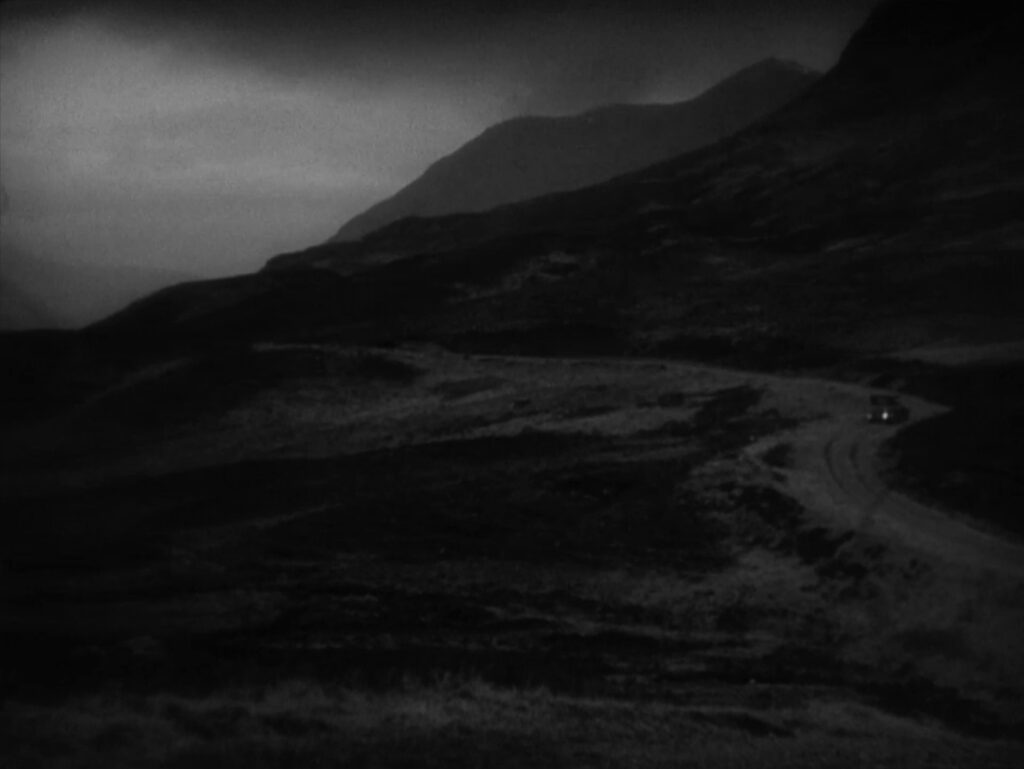
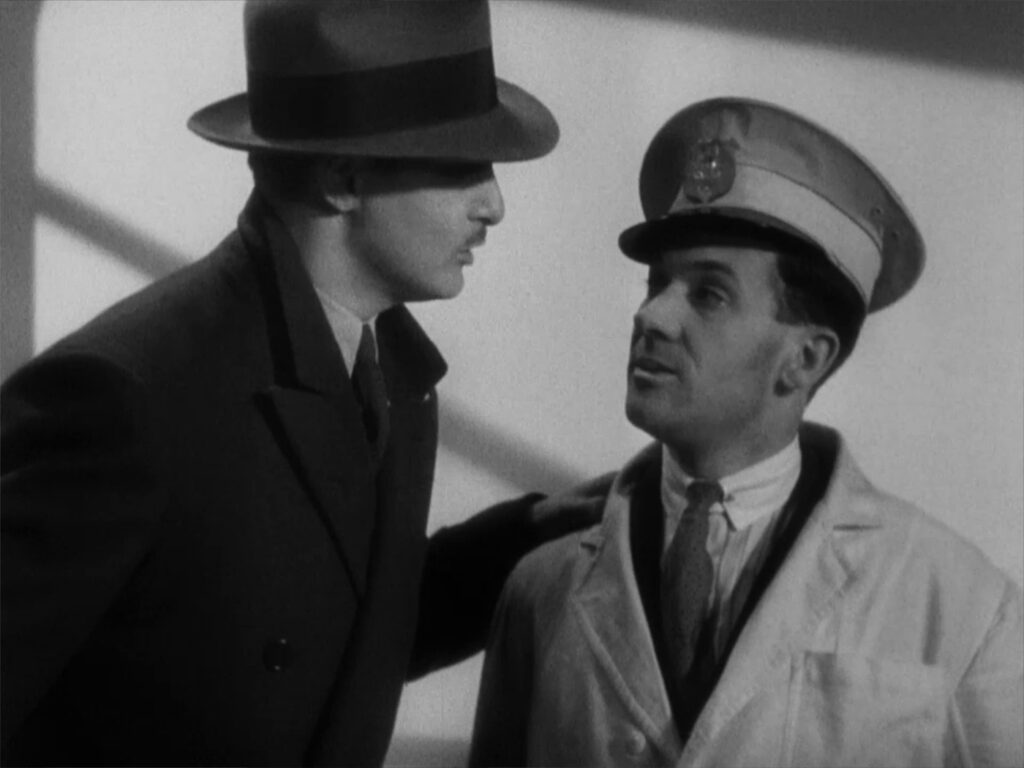
Mr. Memory is one of several allusions to memory, a few of them inserted subliminally. When Hannay trades coats with the milkman to sneak out of his London apartment, the milkman calls after him that he forgot the empties. The crofter (the tenant farmer who puts Hannay up on his first night in Scotland) excuses himself from the house by saying he “forgot to lock the barn”. When the crofter’s wife helps Hannay escape from the police, he tells her twice that he’ll never forget her for doing this. Finally, when Hannay is handcuffed to Pamela, he keeps trying to recall where he heard the tune he keeps humming.
As Hannay finally realizes, that tune turns out to be the prelude to Mr. Memory’s stage act. The reason for Mr. Memory, and for all of the allusions to remembering and forgetting, is exactly the same reason that made it possible for Hitchcock to recycle a twenty-year-old story about an international plot to start a European war – namely, the fact that history was about to repeat itself. The 39 Steps drills the idea of memory into its audience simply because their lives depended on remembering history and averting a repetition of tragedy. Hitchcock could see the destabilizing forces from 1914 at work again, and his films of the 1930s were a wake up call to a bitter reality wrapped in the sweet shell of entertainment.
Besides awakening memories of the previous build-up to war, The 39 Steps also means to prepare its audience for action. Any number of movies try to sway their audience’s feelings or opinions or beliefs, but they all face the problem of inertia. A film only stays in people’s minds for so long, which makes it difficult to inspire real changes in behavior. The 39 Steps supplements its warning by modeling transformative action, patterning its plot on characters who are persuaded to do the right thing after initially resisting.
Hannay may have a hard time believing Annabella, but once he converts to her side he goes all the way, carrying out her mission after she’s killed. Likewise, Pamela distrusts Hannay at first, turning him over to the police on the train, and when they meet again she’s still reluctant to cooperate, but when she overhears the conspirators at the inn she realizes that her safest course is on his side. In the same mold are two parallel incidents in which a man helps Hannay after changing his mind. The milkman laughs off Hannay’s tale of murder, but he’ll accept a fib about a cheating wife and a jealous husband. The jealous old crofter, on the other hand, wrongly suspects Hannay of cheating on him with his wife, but once he hears that the police want Hannay for murder, everything’s all right and Hannay can go. The milkman won’t believe the worst case even if it’s true, whereas the cynical crofter is ready to believe the worst in any situation.
The 39 Steps was a turning point in Hitchcock’s early career. It was a box office hit, and it taught Hitchcock to unite character, dialogue, setting, plot, and all of a film’s elements around a common goal. Hitchcock himself was a bit like Mr. Memory, having enjoyed memorizing train schedules in his youth. As a movie director he planned every detail so thoroughly that he would become bored during shooting when the creative work of writing and planning was behind him. His enormous capacity for managing details, coupled with a sharp sense of psychology, made him a successful director but also destined him to be inadequately understood because there is always so much more going on in his films than viewers suspect.
CONNECTIONS:
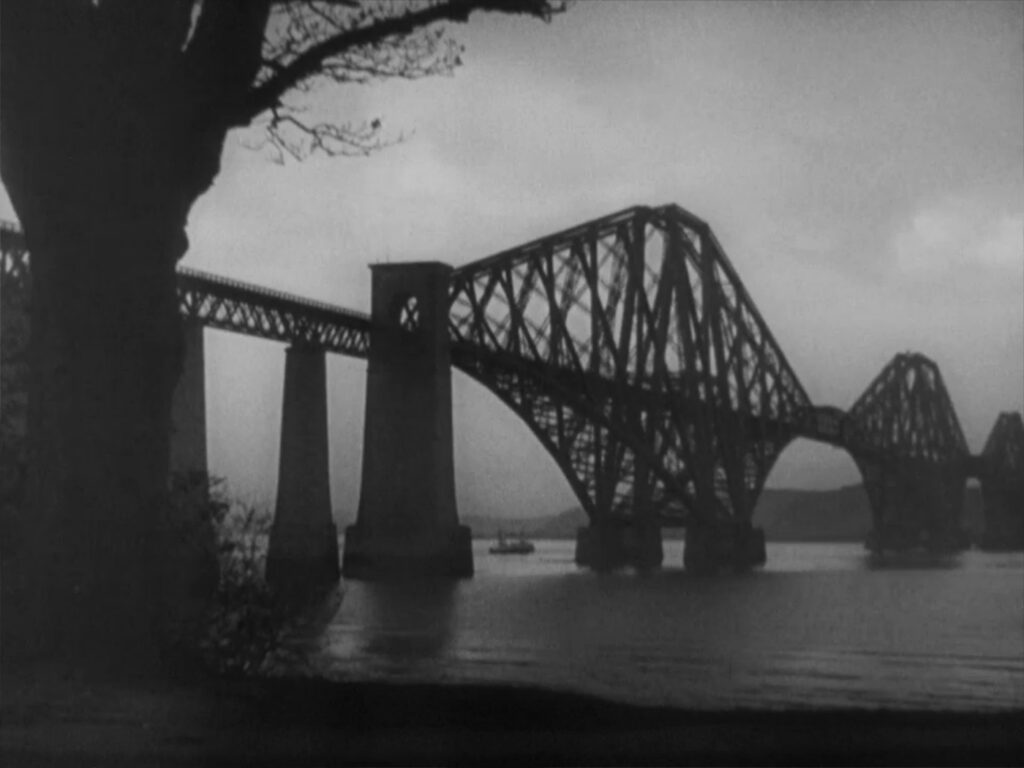
The Lady Vanishes – Memorable supporting character carrying a memorized secret message; urgent need to remember a musical tune; protagonist who knows something no one else believes; impromptu speech appealing to strangers; deprecation of the word “spy”; character who turns against a treasonous plot after assisting in it; train whistle confused with a woman’s scream; male and female leads initially dislike each other; train crosses a spectacular bridge
Saboteur – Frozen image of Mr. Memory / impassive face of the Statue of Liberty
North by Northwest – Protagonist escapes from danger by attracting the attention of a large assembly; plot about smuggling government secrets out of a country
Marnie – Suspense story in which a woman is stuck with a man she initially dislikes